
Expert Tips for Preparing Your Walls for Painting


Gather Your Materials
Before diving into painting, gather all necessary materials. Having everything ready will streamline the process and ensure you don’t have to stop mid-task. Essential materials include painter’s tape, drop cloths, sandpaper, and a high-quality primer. Make sure you also have a variety of brushes and rollers suited for your wall texture.

Clean the Walls
A clean surface is crucial for a smooth paint application. Dust and grime can prevent paint from adhering properly. Start by dusting the walls with a microfiber cloth. For stubborn stains, use a mixture of mild detergent and water. Rinse with clean water and allow the walls to dry completely before proceeding.
Repair Imperfections
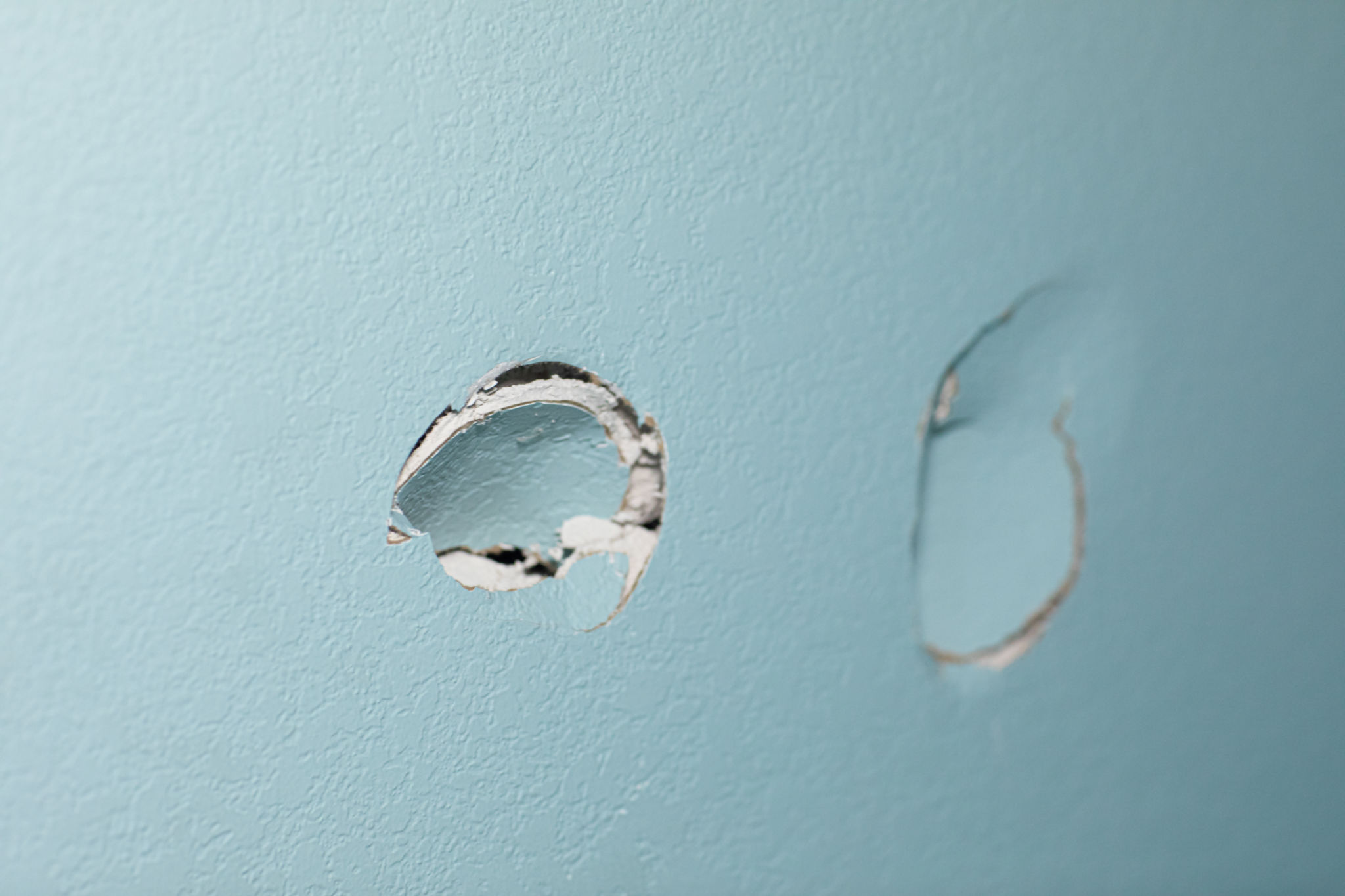
Inspect your walls for any holes, cracks, or dents. Use a spackling compound to fill small holes and cracks, and a joint compound for larger areas. Once the filler is dry, sand the area until it is smooth and level with the rest of the wall. This step is vital for achieving a flawless finish.
Sanding the Walls
Sanding is often overlooked but is a key step in wall preparation. It helps to smooth out any rough spots and provides a better surface for the paint to adhere to. Use fine-grit sandpaper and work in circular motions, being careful not to press too hard.
Priming the Walls
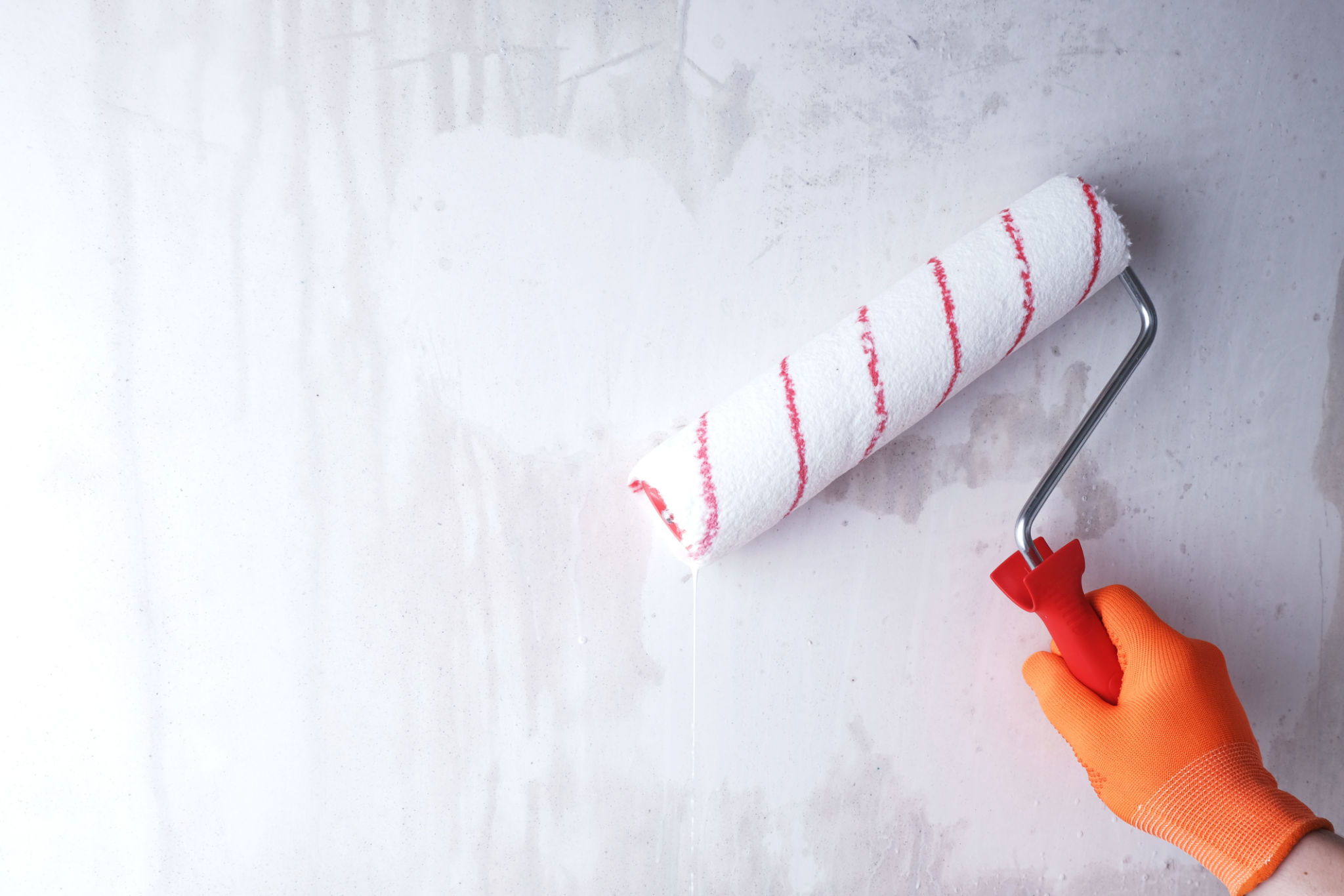
Applying a primer is essential, especially if you’re painting over a dark color or a newly repaired surface. Primer ensures that the paint adheres properly and that the final color is even and vibrant. Choose a primer that suits your wall type and the paint you plan to use.
Taping and Protecting
Use painter’s tape to protect areas you don’t want to be painted, such as trim, baseboards, and ceilings. Press the tape firmly to ensure it creates a tight seal. Cover the floor and furniture with drop cloths to protect them from paint splatters.
Testing Paint Samples
Before committing to a color, it's wise to test a few samples. Apply small patches of paint on different sections of the wall to see how they look in various lighting conditions. This will help you choose the best shade for your space.

Final Inspection
Once all prep work is done, conduct a final inspection. Ensure all surfaces are smooth, clean, and ready to be painted. Tackle any last-minute touch-ups before starting the painting process. Proper preparation is key to achieving professional-looking results.