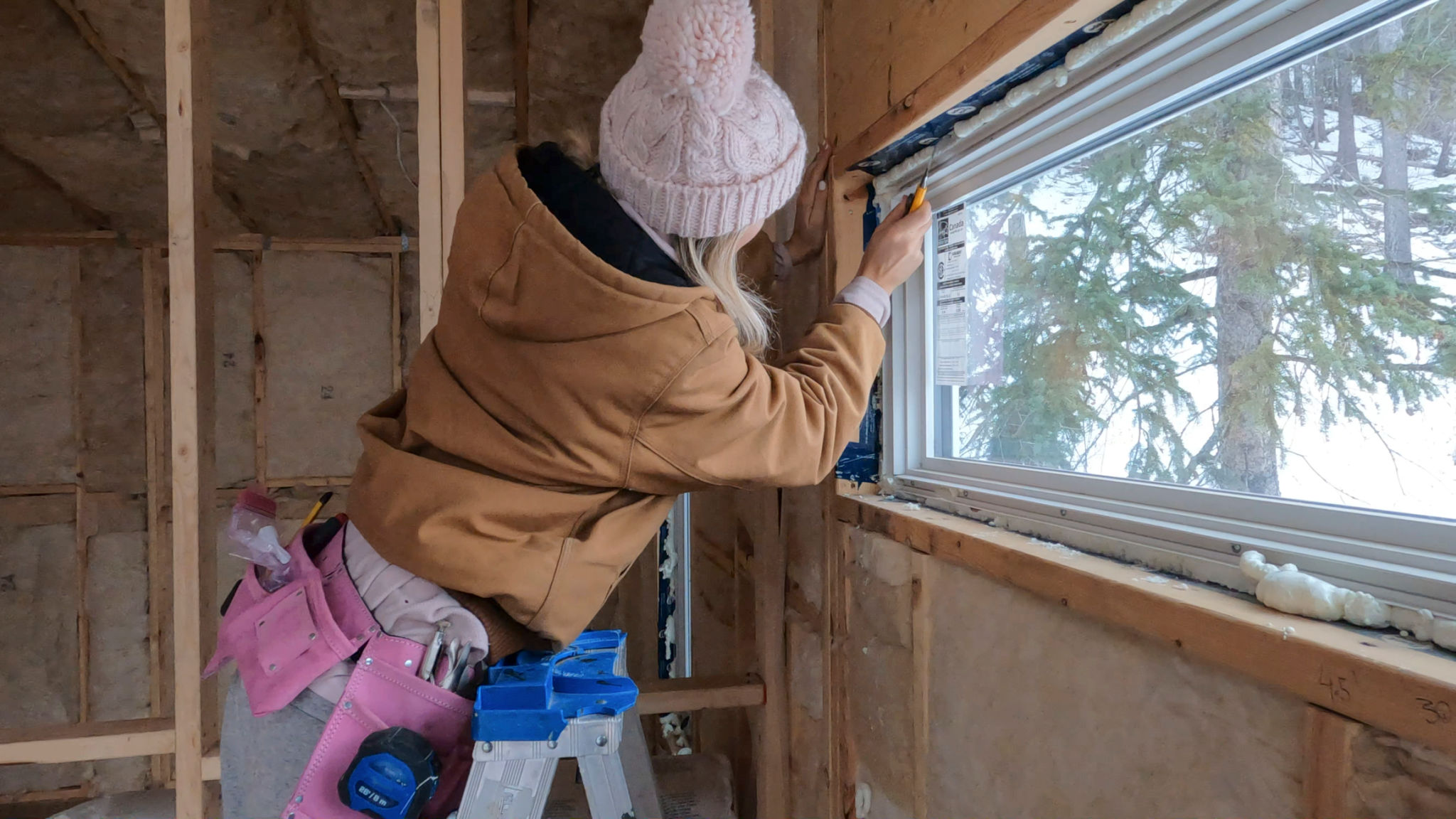
Seasonal Guide: Preparing Your Walls for Winter in Connecticut


As the chill of winter approaches in Connecticut, it's crucial to ensure your home is ready to withstand the elements. One often overlooked area is your walls. Properly preparing them not only enhances comfort but also improves energy efficiency. Here's a seasonal guide to getting your walls winter-ready.
Inspecting Your Walls
Start with a thorough inspection of your walls, both inside and out. Look for cracks, holes, or any signs of damage. These vulnerabilities can allow cold air and moisture to seep in, leading to discomfort and potential damage to your home.
If you find any issues, address them promptly. Small cracks can be filled with caulk, while more significant damage might require professional attention. Keeping your walls in good shape is the first step in maintaining a cozy home during the winter months.

Enhancing Insulation
Proper insulation is key to keeping your home warm. If your walls are poorly insulated, heat can easily escape, leading to higher energy bills and a colder home. Consider adding or upgrading insulation to improve performance.
There are various insulation options available, including fiberglass, foam, and cellulose. The choice depends on your specific needs and budget. Consulting with a professional can help determine the best solution for your home.
Sealing Gaps and Drafts
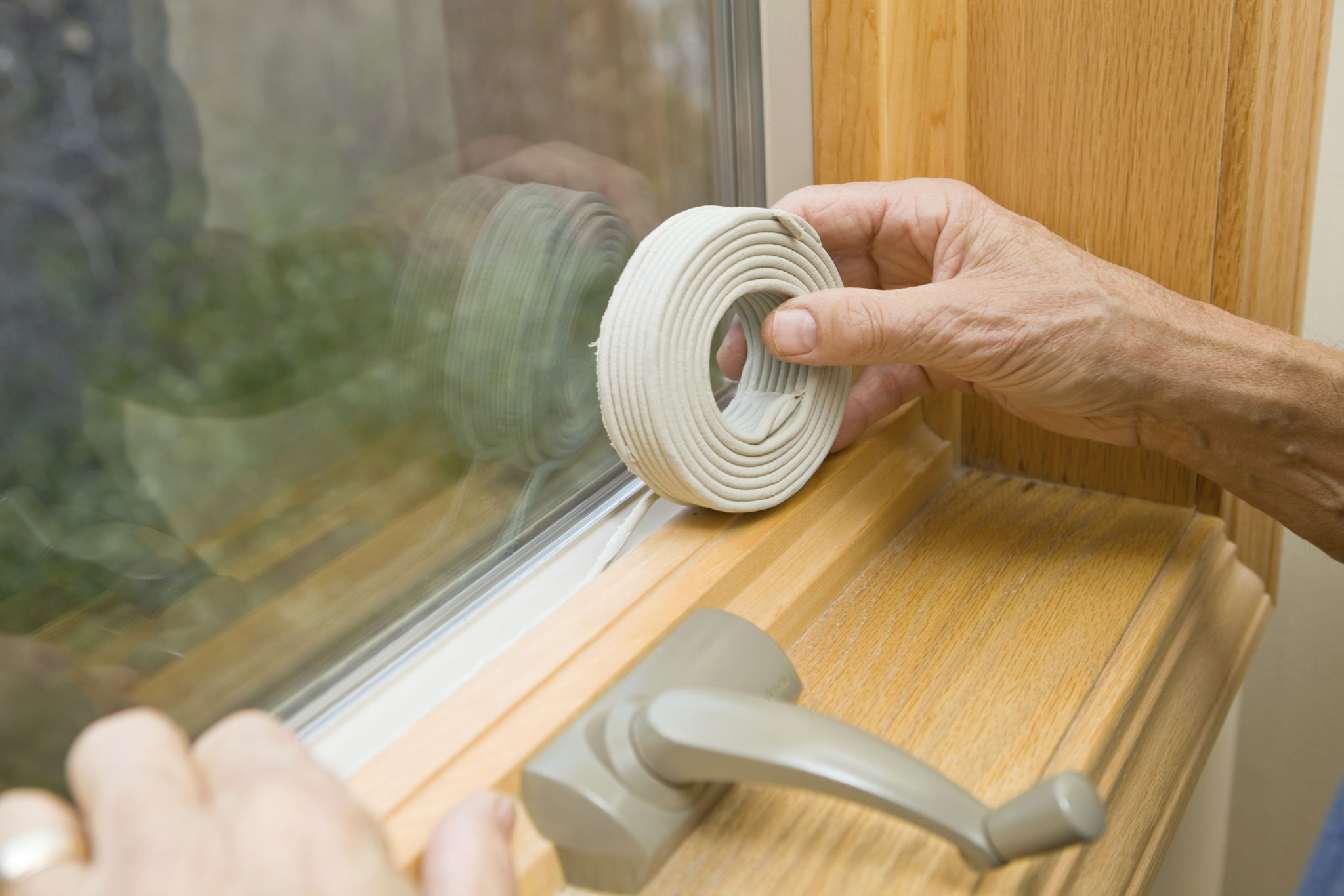
Sealing gaps and drafts is another essential step in preparing your walls for winter. Check around windows, doors, and electrical outlets for drafts. Use weatherstripping and caulk to seal these areas effectively.
Applying a Fresh Coat of Paint
A fresh coat of paint not only revitalizes your home's appearance but also adds a layer of protection against the harsh winter weather. Choose high-quality, weather-resistant paint designed to withstand cold temperatures and moisture.
Painting in early fall, before the temperature drops too low, ensures the paint adheres properly and provides the desired protection.
Choosing the Right Color
Selecting the right color can also affect your home's energy efficiency. Lighter colors can reflect sunlight, while darker shades absorb heat, potentially contributing to warmer indoor temperatures during the day.

Maintaining Exterior Walls
Don't forget about the exterior walls. Regular maintenance, such as cleaning and treating for mold or mildew, can prevent damage and preserve the facade. Use a mild detergent and a soft brush to clean, ensuring you don't damage the surface.
Consider applying a sealant to protect against moisture and freezing temperatures. A well-maintained exterior not only looks great but also provides critical protection against the elements.
Checking for Water Damage
Inspect your walls for any signs of water damage, such as stains or soft spots. Addressing these issues before winter can prevent further damage and costly repairs. Ensure gutters and downspouts are clear and functioning properly to direct water away from your home.